Post-Inflammatory Hyperpigmentation: Causes and Care
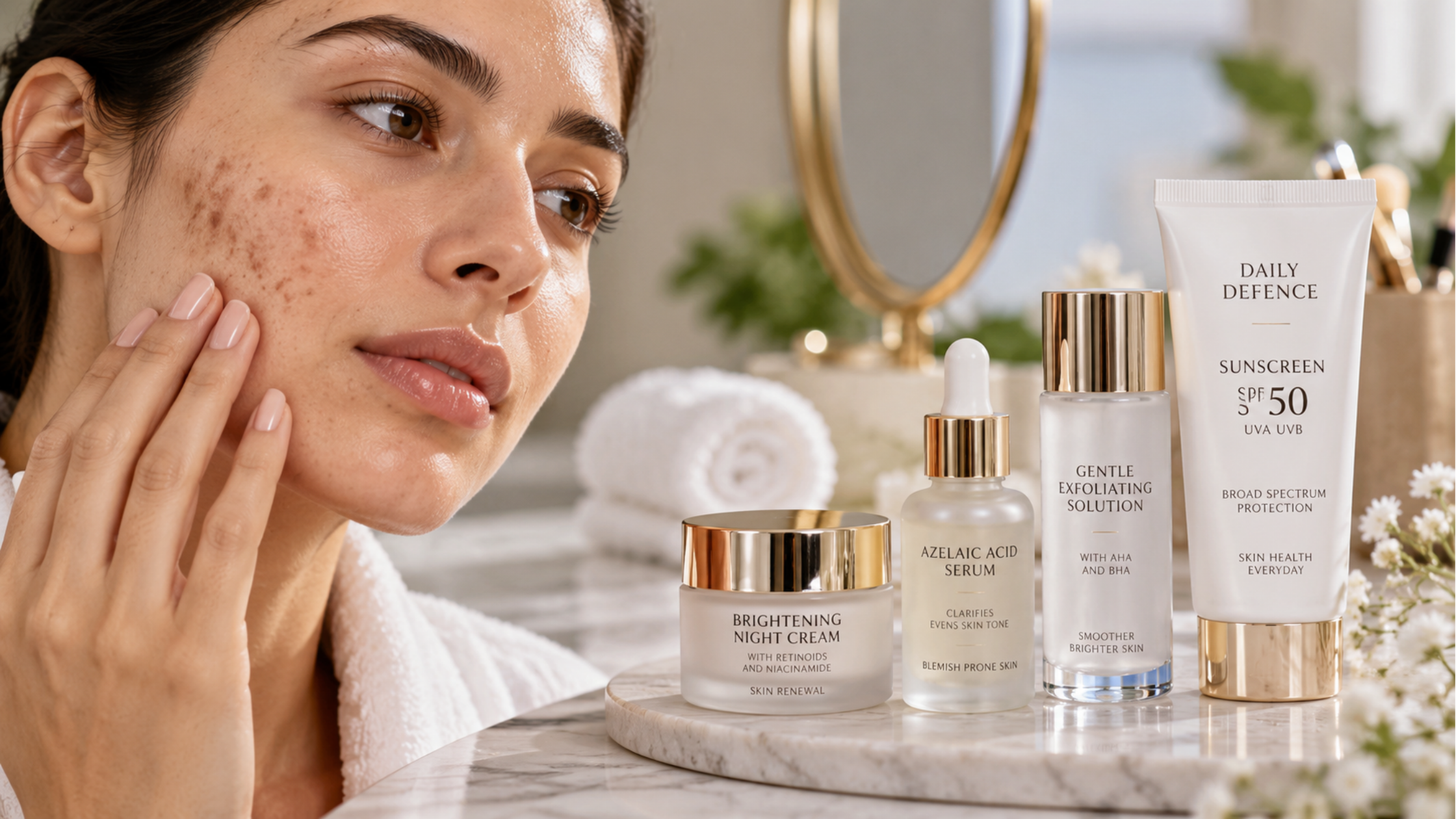
Post-inflammatory hyperpigmentation, often shortened to PIH, is one of the most common reasons people notice lingering dark marks after a skin problem has settled. A spot may heal, a rash may disappear or a treatment may finish, yet the area can remain brown, grey-brown or darker than the surrounding skin.
PIH happens when inflammation or injury affects the skin and triggers changes in melanin production or distribution. It can follow acne, eczema, irritation, burns, picking, scratching and some cosmetic or dermatological procedures. It can affect anyone, but it tends to be more noticeable and persistent in darker skin tones.
The frustrating part is that the original problem may be gone while the pigmentation remains. Trying to remove these marks too aggressively can sometimes create more inflammation, which is why a careful approach matters.
At DSL Clinic, pigmentation concerns can be assessed as part of a wider skin treatment plan. Understanding whether the marks are actually PIH, another form of pigmentation, or a mixture of concerns is an important first step before choosing treatment.
What is post-inflammatory hyperpigmentation?
Post-inflammatory hyperpigmentation is darkening that develops after inflammation or injury to the skin. When inflammation affects the epidermis or deeper layers, melanocytes can produce or distribute more pigment. Melanin may then remain within skin cells or become deposited deeper in the skin.
The result is usually a flat area of darker skin where the previous inflammation occurred. PIH is not normally a raised scar. It is a change in colour.
Acne is a particularly common trigger. A spot can settle, but the brown mark left behind can remain for much longer than the original blemish. PIH can also follow dermatitis, insect bites, burns, friction, picking or procedures that cause inflammation.
The appearance can range from light brown to dark brown and, when pigment sits deeper in the skin, it can have a grey or grey-brown appearance. The depth of pigment can influence how easily it responds to treatment. DermNet notes that epidermal and dermal pigmentation behave differently and that procedures can sometimes aggravate PIH.
Why does PIH happen after acne and other skin problems?
Inflammation sends signals throughout the skin. One consequence can be increased melanin production or altered transfer of pigment. If the inflammation damages the area around the basal layer of the epidermis, pigment can also move into deeper skin and become harder to clear.
This explains why two people can experience the same type of acne but be left with very different marks. The intensity and duration of inflammation, the individual's skin characteristics and exposure to sunlight can all affect the appearance and persistence of pigmentation.
Picking or squeezing spots can make the problem worse because it adds physical trauma to already inflamed skin. Repeated irritation from harsh scrubs, strong acids or unsuitable skincare can have a similar effect.
For someone prone to pigmentation, controlling the original inflammatory problem is therefore important. Treating the dark mark while continuing to trigger new inflammation can make progress much harder.
Who is more likely to develop PIH?
PIH can affect all skin tones, but research shows that it is particularly important in people with darker skin. A systematic review of PIH treatments in skin of colour found that the condition is common in darker skin types and can be difficult to treat.
The reason is linked to the activity and distribution of melanin. When inflammation occurs, pigment changes may be more visible and can remain for longer.
This does not mean that every person with darker skin will develop PIH or that people with lighter skin cannot experience it. Individual skin biology, the type of inflammation and the amount of skin injury all matter.
This is one reason a pigmentation treatment should not simply be selected from a generic online routine. A product or procedure that causes too much irritation may create another inflammatory response.
PIH is not the same as every dark mark
One of the most important steps in treating pigmentation is identifying what you are actually looking at.
PIH develops after inflammation or injury and usually appears where the previous skin problem occurred. Melasma has a different pattern and can be influenced by factors such as hormones and light exposure. Sun-related pigmentation also has a different cause.
There is another common source of confusion after acne. Not every post-acne mark is brown pigmentation. Some marks are red or pink and are related to vascular changes rather than excess melanin. These marks may require a different assessment and treatment approach.
Acne scarring is also different from PIH. A flat brown mark is a colour change, whereas an atrophic acne scar involves a change in the skin's texture or structure.
Knowing the difference matters because treating the wrong problem can waste time and may irritate the skin unnecessarily.
Why can PIH last for months?
PIH can fade naturally as the skin gradually processes and redistributes excess pigment. However, the process can be slow, particularly when pigment has moved deeper into the skin.
Sun exposure can make pigmentation darker. DermNet recommends daily broad-spectrum SPF 50+ sunscreen for exposed areas affected by PIH to reduce UV-related darkening.
This is why sun protection should not be viewed as an optional extra. If the skin is continually exposed to UV radiation while you are trying to manage pigmentation, the marks may remain more noticeable.
Consistent protection can also help reduce the chance of repeated darkening. Alongside sunscreen, physical protection such as shade, clothing and avoiding prolonged direct sunlight can be useful.
What skincare ingredients can help PIH?
There are several topical ingredients that may be considered for PIH, but the right choice depends on the skin and the cause of the pigmentation.
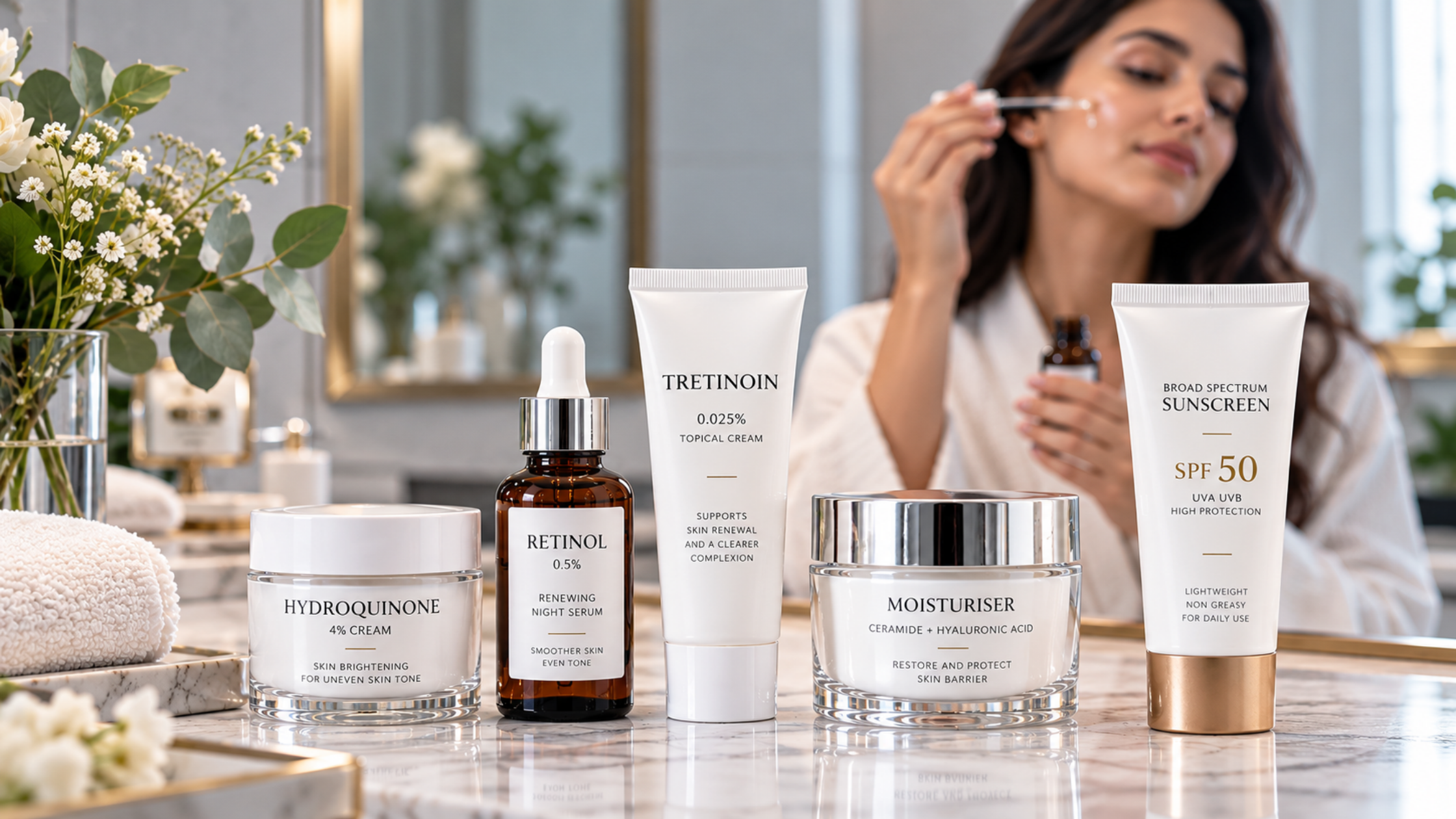
Azelaic acid is one option because it has anti-inflammatory and pigment-modulating properties and can be particularly useful where acne and pigmentation occur together. Retinoids can also be used in some treatment plans. They can influence skin cell turnover and melanin distribution.
Niacinamide and vitamin C are also commonly used in cosmetic skincare aimed at uneven skin tone. Hydroquinone may be prescribed for selected pigmentation concerns, but it should be used under appropriate professional guidance rather than treated as an everyday cosmetic product.
The evidence does not support one universal ingredient for every person. A systematic review of topical treatments found evidence for several approaches, including retinoids and hydroxy acids, while broad-spectrum sunscreen was recommended across almost all included studies. Irritation, burning, dryness and peeling were among reported side effects.
The key point is that a pigmentation routine should be judged by how the skin responds, not simply by how strong the products are.
Can chemical peels and laser treatment help PIH?
Professional treatments such as chemical peels and laser or light-based procedures may be considered for selected pigmentation concerns. However, PIH requires particular care because creating additional inflammation can potentially worsen pigmentation.
This is especially important for people with darker skin tones. A systematic review focused on skin of colour found that laser therapy produced improvement in some patients, but cases of worsening PIH were also reported. The authors concluded that treatment outcomes vary and that stronger evidence is still needed for many approaches.
That does not mean professional treatment should be avoided. It means the treatment needs to be selected and performed with the individual's pigmentation, skin tone, history and current skin condition in mind.
A procedure should also be considered alongside the underlying cause. If active acne or another inflammatory skin condition is still producing new lesions, treating only the existing pigmentation may not solve the cycle.
How can you prevent post-inflammatory hyperpigmentation?
Prevention starts with reducing unnecessary inflammation.
If you have acne, managing breakouts early can reduce the repeated inflammation that leads to new marks. Avoid picking or squeezing spots, as physical trauma can prolong inflammation.
Your skincare routine should also be gentle enough to maintain the skin barrier. Introducing several strong active ingredients at once can make it difficult to identify irritation and can leave the skin uncomfortable.
Sun protection is another important part of prevention. Use broad-spectrum sunscreen consistently and follow the product's application instructions. If your skin is prone to pigmentation, remember that everyday exposure can add to the problem even when you are not deliberately sunbathing.
Before a professional procedure, tell your clinician about your skincare products and any history of pigmentation after treatments. This information can help inform the treatment plan and aftercare.
What should you do if PIH is not fading?
If a dark mark remains after acne, inflammation or another skin injury, give it time, but do not assume every persistent mark is PIH.
A professional assessment can help identify whether the pigmentation is superficial or deeper, whether there is still an inflammatory trigger and whether another condition could explain the colour change.
At DSL Clinic, people seeking pigmentation treatment in London can discuss their concerns during a consultation. The appropriate option may involve skincare, a professional pigmentation treatment or another approach depending on the assessment.
The aim should be to reduce pigmentation without creating unnecessary inflammation. This is particularly important if you have previously developed dark marks after acne, peels, laser treatment or other skin procedures.
Treatment also needs realistic expectations. Research into PIH treatments shows that partial improvement is more commonly reported than complete clearance, and results vary between treatment types and individuals. A 2024 systematic review found mixed outcomes across topical, laser, peel and combination approaches, highlighting the need for individualised treatment decisions rather than promises of instant removal.
When should you speak to a skin professional?
Consider professional advice if pigmentation is persistent, repeatedly returning, spreading, changing or difficult to identify. You should also seek advice before using prescription-strength pigmentation treatments or combining several strong actives.
A consultation can be particularly useful if you have both active acne and pigmentation. Treating the source of inflammation and the resulting pigmentation together may make more sense than focusing only on the dark marks.
If you have darker skin and are considering a peel, laser or other procedure, ask how the treatment will be selected for your skin and what steps will be taken to minimise unwanted pigmentation changes.
The goal is not simply to make the skin lighter. The goal is to address the pigmentation concern while protecting the health and appearance of the surrounding skin.
Conclusion
Post-inflammatory hyperpigmentation is a colour change that can remain after acne, inflammation, irritation or skin injury has settled. It is common, particularly in darker skin tones, and can take time to fade.
The most useful approach is usually a combination of prevention, appropriate skincare, sun protection and professional treatment when needed. Avoiding picking, controlling active inflammation and protecting the skin from UV exposure can all form part of a sensible plan.
Ingredients such as azelaic acid, retinoids, niacinamide, vitamin C and hydroquinone may have a role in selected cases, but stronger treatment is not automatically better. Chemical peels and laser-based treatments may also be considered, but they need careful assessment because additional inflammation can sometimes worsen pigmentation.
If you are dealing with persistent dark marks after acne or another skin problem, DSL Clinic can assess your pigmentation concerns and discuss suitable treatment options in London. Understanding the cause of the pigmentation is the first step towards choosing an approach that fits your skin.
FAQs
What is post-inflammatory hyperpigmentation?
Post-inflammatory hyperpigmentation, or PIH, is darker pigmentation that develops after inflammation or injury to the skin. It can follow acne, eczema, irritation, burns, picking and some skin treatments.
Can acne cause post-inflammatory hyperpigmentation?
Yes. Acne is a common trigger of PIH. Once an inflamed spot heals, the skin may remain darker than the surrounding area because inflammation can stimulate changes in melanin production and distribution.
How long does post-inflammatory hyperpigmentation take to fade?
The time varies considerably. Some pigmentation gradually fades, while deeper or more persistent pigmentation can remain for much longer. Skin tone, the depth of pigment, ongoing inflammation and sun exposure can all affect how long it lasts.
Is PIH the same as acne scarring?
No. PIH is primarily a change in skin colour. Acne scars can involve changes in skin texture or structure, such as indentations or raised areas. A person can have both pigmentation and acne scarring at the same time.
Can sunscreen help post-inflammatory hyperpigmentation?
Sun protection can help reduce UV-related darkening of pigmentation. Broad-spectrum sunscreen is an important part of managing PIH, particularly when the affected skin is exposed to daylight.
Can darker skin tones develop PIH more easily?
PIH can occur in all skin tones, but it is more common and can be more persistent in darker skin. This is particularly important when considering treatments that intentionally create controlled skin injury, such as some peels and laser procedures.
Can chemical peels treat post-inflammatory hyperpigmentation?
Chemical peels may be considered for selected cases, but they are not suitable for everyone. Because additional inflammation can sometimes worsen pigmentation, treatment should be selected according to the individual's skin and pigmentation.
Can laser treatment make PIH worse?
It can. Although laser and energy-based treatments may improve pigmentation in some people, procedures can also trigger further inflammation and pigmentation changes. Proper assessment and treatment selection are therefore important.
Should I treat acne before treating PIH?
Managing active acne is often an important part of managing PIH because ongoing inflammation can continue to create new pigmentation. Treating the underlying trigger alongside existing marks may provide a more useful long-term approach.