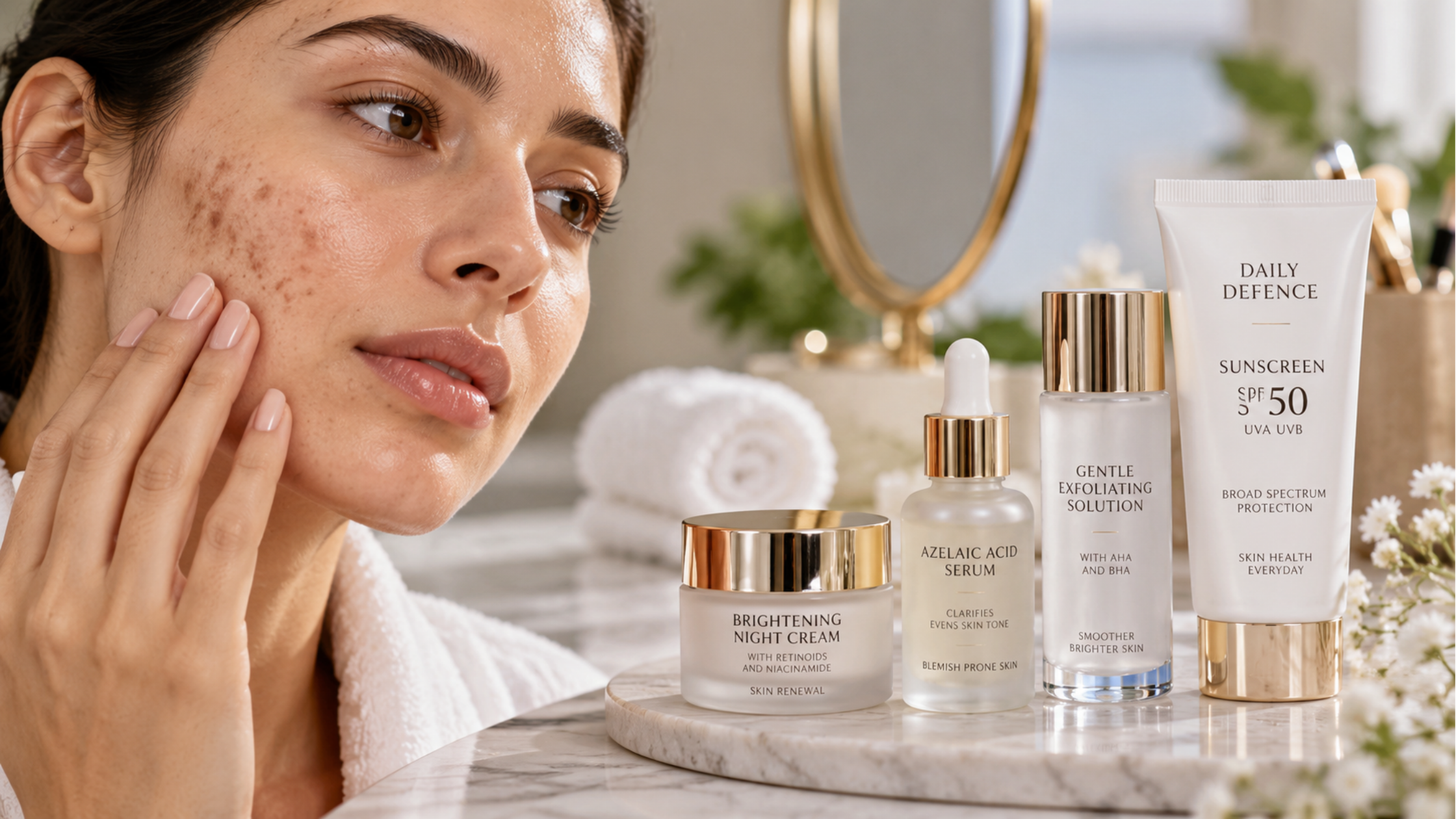
Active Skincare: Safely Using Hydroquinone, Retinol and Tretinoin
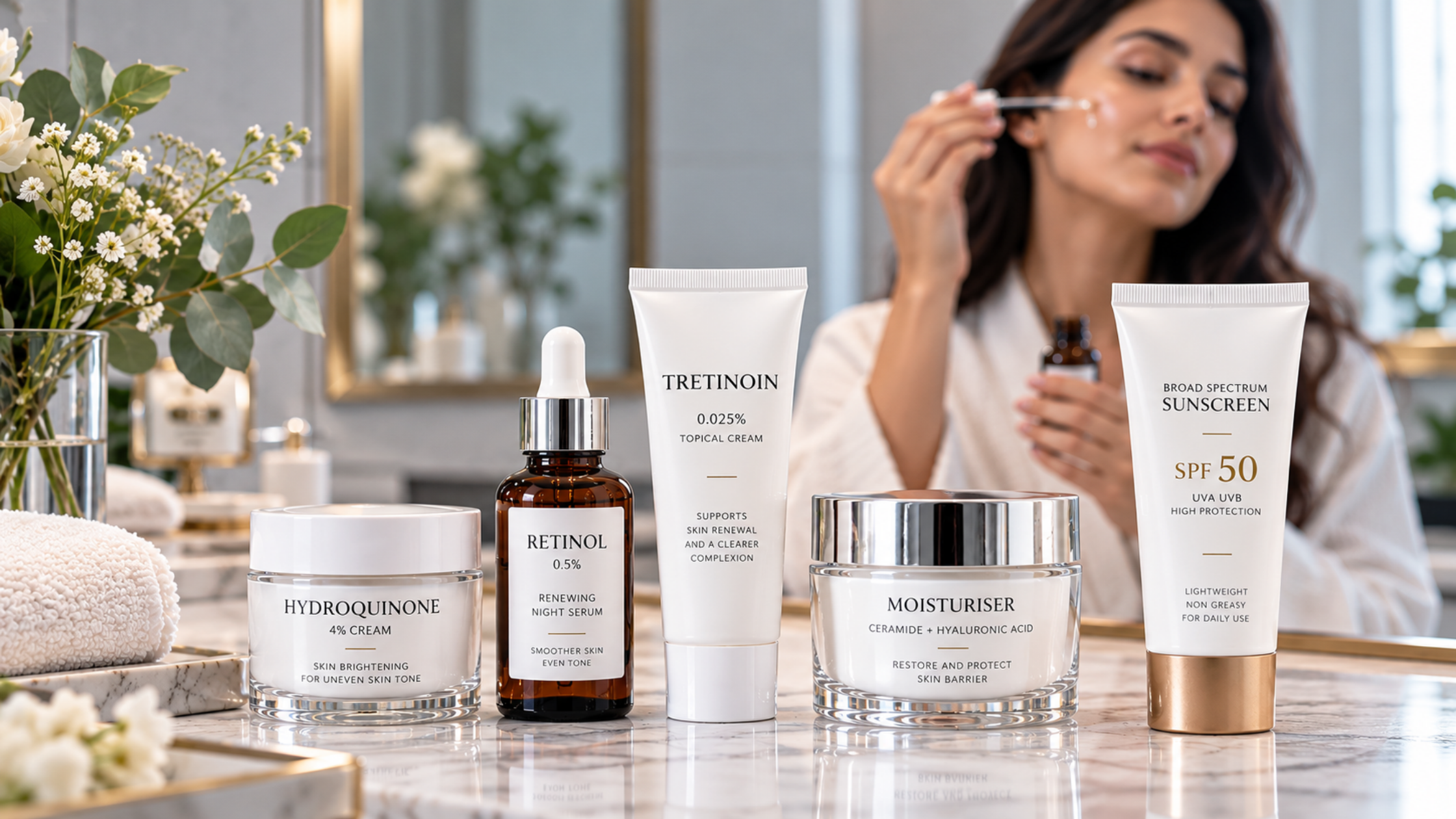
If you are trying to improve dark spots, uneven skin tone, acne or signs of ageing, you may have come across active skincare ingredients such as hydroquinone, retinol and tretinoin. These ingredients are often discussed as powerful options for changing the appearance and behaviour of the skin, but stronger does not always mean better.
The main question is not simply which active ingredient works best. It is whether the ingredient is suitable for your skin concern, how it should be introduced, what else you are using and whether your skin is ready for it. Using several potent products at once can cause irritation, dryness and inflammation, and inflammation can make pigmentation more difficult to manage.
At DSL Clinic, pigmentation and uneven skin tone can be assessed as part of a wider skin treatment plan. The clinic lists pigmentation treatment in London, melasma treatment, Dermamelan, laser and other skin treatments among its services. A skin consultation can help determine whether active skincare should form part of your approach or whether another treatment may be more appropriate.
What does active skincare mean?
Active skincare refers to products containing ingredients intended to produce a specific biological or cosmetic effect on the skin. Unlike a basic cleanser or moisturiser, an active product is generally chosen because its ingredients target a particular concern.
Retinol is a vitamin A derivative commonly used in skincare for concerns such as uneven texture, fine lines and blemishes. Tretinoin is another vitamin A derivative, but it is a prescription medicine and is used in clinical settings for conditions including acne. Hydroquinone is a depigmenting medicine that can reduce melanin production and may be used for certain pigmentation conditions under professional guidance.
These ingredients are not interchangeable. They work differently and have different safety considerations. Your skin type, existing products, medical history, current treatments and the cause of your pigmentation can all affect what is appropriate.
Hydroquinone for pigmentation
Hydroquinone is well known for its use in treating areas of excess pigmentation. It works by interfering with melanin production, which is why it has historically been used for conditions such as melasma and other forms of hyperpigmentation.
However, hydroquinone should not be treated as an ordinary brightening cream. The strength, duration and area of use matter, and irritation can be a problem if it is used incorrectly. Longer or inappropriate use has also been associated with exogenous ochronosis, a rare condition that can cause blue-black or grey-brown discolouration.
In the UK, whether a particular hydroquinone product is available and how it can be supplied depends on its medicinal classification and formulation. Prescription-only medicines must be supplied in accordance with UK medicines regulations. This is one reason professional assessment is important rather than buying an unverified high-strength product online.
If hydroquinone is recommended, follow the exact instructions given by the prescribing or treating professional. Do not assume that increasing the amount or frequency will speed up the process. Skin that becomes inflamed may become more uncomfortable and can develop further post-inflammatory pigmentation.
Sun protection is also important. UV exposure can worsen many pigmentation concerns, so protecting the skin from sunlight is an essential part of a pigmentation-focused routine.
Retinol: useful, but start slowly
Retinol is available in many cosmetic skincare products and is often used to improve the appearance of uneven texture, blemishes, fine lines and uneven tone. It belongs to the retinoid family and can increase skin cell turnover.
The biggest mistake people make with retinol is introducing too much too quickly. Applying a high-strength product every night from the beginning may leave the skin dry, tight, flaky or irritated. More irritation does not mean the product is working better.
A sensible approach is to introduce retinol gradually and follow the product instructions. Use a small amount, give the skin time to adjust and support the skin barrier with a gentle moisturiser. If persistent redness, burning or peeling develops, reduce use and seek professional advice.
Retinol is usually used in the evening because retinoid products can make the skin more sensitive to sunlight. Daily broad-spectrum sunscreen remains important during the daytime.
It is also worth remembering that retinol and tretinoin are not the same product. Tretinoin is a stronger prescription retinoid with different medical uses and should not be treated as simply a stronger cosmetic retinol.
Tretinoin needs medical guidance
Tretinoin is a topical retinoid used medically for conditions such as acne. It can cause irritation, dryness and stinging, particularly when treatment begins. The NHS advises that topical retinoids such as tretinoin should be applied sparingly and that excessive exposure to sunlight and UV should be avoided.
Tretinoin is also not suitable during pregnancy. If you are pregnant, planning a pregnancy or unsure whether a topical retinoid is appropriate for you, speak to a qualified healthcare professional before using it.
Because tretinoin is a medicine rather than a standard cosmetic active, the concentration, application schedule and suitability should be determined according to the individual situation. Do not copy another person's tretinoin routine simply because it appears to have worked for them.
There can also be a difference between expected early irritation and a routine that is damaging the skin barrier. If your skin becomes increasingly sore, swollen, cracked or severely irritated, stop and seek medical advice rather than continuing in the hope that it will improve.
Can you use hydroquinone, retinol and tretinoin together?
This is where active skincare can become complicated. There is no universal routine that says everyone should combine these ingredients, and using several potent actives together can increase irritation.
Some professional treatment plans may include more than one active ingredient, but the combination, strength and timing should be appropriate for the individual. In particular, it is not sensible to assume that hydroquinone, retinol and tretinoin should all be layered together in one evening.
A simpler routine can often make it easier to identify what your skin tolerates. Introduce one new active at a time and monitor your skin before adding another. Avoid changing several products simultaneously because, if irritation occurs, it becomes difficult to know which product caused it.
Exfoliating acids and other strong actives may also add to irritation. If you already use products containing acids, benzoyl peroxide or other treatment ingredients, tell your clinician or prescriber before starting a retinoid or pigmentation medicine.
Active skincare before and after skin treatments
Your skincare routine also matters if you are having a professional skin treatment. Procedures can temporarily make the skin more sensitive, so products that are normally tolerated may not be suitable immediately before or after treatment.
Do not automatically follow advice from a general skincare routine when preparing for a laser, peel, microneedling session or other procedure. The appropriate time to stop or restart an active depends on the treatment, the product and your skin.
For this reason, always tell the clinic about everything you are applying to your skin. This includes prescription creams, retinoids, exfoliating acids, acne treatments, pigmentation products and cosmetic serums.
After a procedure, the priority may be to keep the skin comfortable and support the skin barrier while it recovers. Your clinician can tell you when to restart active products.
This is particularly important when pigmentation is the concern. Post-inflammatory pigmentation can occur after skin inflammation or injury, so aggressive product use around a procedure is not a sensible way to try to accelerate results.
Why sunscreen matters when treating pigmentation
No pigmentation routine is complete without serious attention to sun protection. UV exposure can contribute to pigmentation and can make existing dark marks more noticeable.
A broad-spectrum sunscreen should be used as directed, particularly when you are using products or treatments that may increase sensitivity. Physical protection such as shade, clothing and avoiding prolonged direct sun can also help.
Sunscreen is not a quick fix for existing pigmentation, but consistent protection can reduce further UV exposure while other treatments address the underlying concern.
For people managing melasma or recurrent pigmentation, sun protection can be especially important because the condition may return or become more noticeable with environmental exposure.
When should you seek professional advice?
Professional advice can be useful when pigmentation is persistent, widespread, recurrent or changing despite your skincare routine. It is also sensible if you are considering prescription-strength ingredients or combining several active products.
A clinician can look at the pattern and history of your skin concern rather than choosing an ingredient based only on an online recommendation. This matters because dark patches can have different causes, including melasma, post-inflammatory pigmentation, sun-related changes and other conditions.
DSL Clinic provides pigmentation treatment in London and offers skin consultations alongside a range of skin and laser treatments. Its website also lists conditions including hyperpigmentation, melasma and pigmentation, with treatment options that include pigmentation-focused procedures and advanced skin technologies.
The purpose of a consultation is not necessarily to put you on the strongest possible routine. It is to understand the concern, consider the condition of your skin and decide what type of treatment or skincare approach is suitable.
How to build a safer active skincare routine
A good active skincare routine should be manageable enough that you can follow it consistently without constantly fighting irritation. Start with the basics: a gentle cleanser, a suitable moisturiser and daily sun protection. Then introduce treatment products according to professional or product guidance.
If you are adding retinol, introduce it gradually rather than using it every night immediately. If you have been prescribed tretinoin, follow the prescribing instructions rather than creating your own schedule. If hydroquinone has been recommended for pigmentation, use it only as directed and do not extend treatment without professional advice.
Pay attention to what your skin is telling you. Mild adjustment can occur with some active ingredients, but significant burning, swelling, persistent redness or severe peeling should not simply be ignored.
Most importantly, give treatment time. Pigmentation and other long-standing skin concerns rarely improve overnight. Chasing faster results by repeatedly increasing product strength or combining multiple actives can leave the skin more irritated and make your routine harder to manage.
Active skincare should support your treatment plan, not replace it
Hydroquinone, retinol and tretinoin each have a place in skincare or medical treatment, but they are not universal solutions and they should not be treated as interchangeable products.
Hydroquinone may be used for selected pigmentation concerns under appropriate guidance. Retinol can form part of a cosmetic skincare routine when introduced carefully. Tretinoin is a prescription retinoid that requires medical direction. All three require sensible use, attention to irritation and good sun protection.
If your main concern is pigmentation, it is worth looking beyond a single ingredient. The cause, depth and pattern of pigmentation, your skin's response to previous products and any treatments you are considering can all influence the most appropriate approach.
At DSL Clinic, you can discuss pigmentation and skin concerns through a clinical skin consultation and explore treatment options available in London. The aim should be a considered plan for your skin rather than simply adding more active ingredients. DSL Clinic's current website lists pigmentation treatment, melasma treatment, Dermamelan, laser resurfacing, microneedling and other skin services among its treatment options.
Conclusion
Active skincare can be useful, but powerful ingredients need careful handling. Hydroquinone, retinol and tretinoin work in different ways and carry different considerations, so using them safely means understanding the ingredient, introducing treatment appropriately and protecting your skin from unnecessary irritation and UV exposure.
If pigmentation, melasma or uneven skin tone is your main concern, professional assessment can help you understand your options before you start combining strong products. A structured approach is usually more useful than constantly changing your routine in search of faster results.
DSL Clinic offers pigmentation treatment in London and skin consultations for people looking to understand their skin concerns and available treatment options. If you are unsure which active ingredient or treatment is right for you, a consultation can be a sensible place to start.
FAQs
Can I use hydroquinone and retinol together?
Some treatment plans may include more than one active ingredient, but this should be based on the individual's skin and treatment needs. Combining strong actives without guidance can increase irritation, so do not assume they should be layered together.
Is tretinoin the same as retinol?
No. Both belong to the retinoid family, but tretinoin is a prescription topical retinoid used medically for conditions such as acne. Retinol is commonly found in cosmetic skincare products.
Can tretinoin be used during pregnancy?
Topical retinoids, including tretinoin, are not recommended during pregnancy. Speak with a qualified healthcare professional if you are pregnant, planning a pregnancy or unsure whether your skincare is suitable.
Is hydroquinone safe for pigmentation?
Hydroquinone can be used for selected pigmentation concerns under appropriate professional guidance. It should not be treated as an ordinary cosmetic cream, particularly when considering stronger formulations or longer treatment periods.
Should I stop active skincare before a skin treatment?
You may need to pause certain active ingredients before or after procedures, but the timing depends on the product and treatment. Tell your clinician about all prescription and cosmetic skincare products you use before treatment.
Does sunscreen help when treating pigmentation?
Sun protection is an important part of managing pigmentation because UV exposure can worsen or contribute to uneven pigmentation. Sunscreen should form part of a consistent daytime skincare routine.
When should I see a professional about pigmentation?
Consider professional advice if pigmentation persists, keeps returning, changes, covers a large area or does not improve with your current routine. A clinical assessment can help determine what may be causing the pigmentation and which options are appropriate.